

Name: The Timbaktu Collective
Country: India
Active since: 1990
Member of IFOAM – Organics International since: 2015
This article was originally written by Annabell Huber, Project Coordinator at IFOAM – Organics International. She visited the Timbaktu Collective during her duty stay in India for an initiative for strengthening farmers’ groups.
If I should describe Timbaktu in one word, I would choose “inspiring”.
From the moment I arrived, I was welcomed by a vibrant and colourful community with warmth, kindness, and hope. Timbaktu isn’t just a place—it’s a vision translated into reality, a living example of how people gather for a shared purpose: to create a better world.
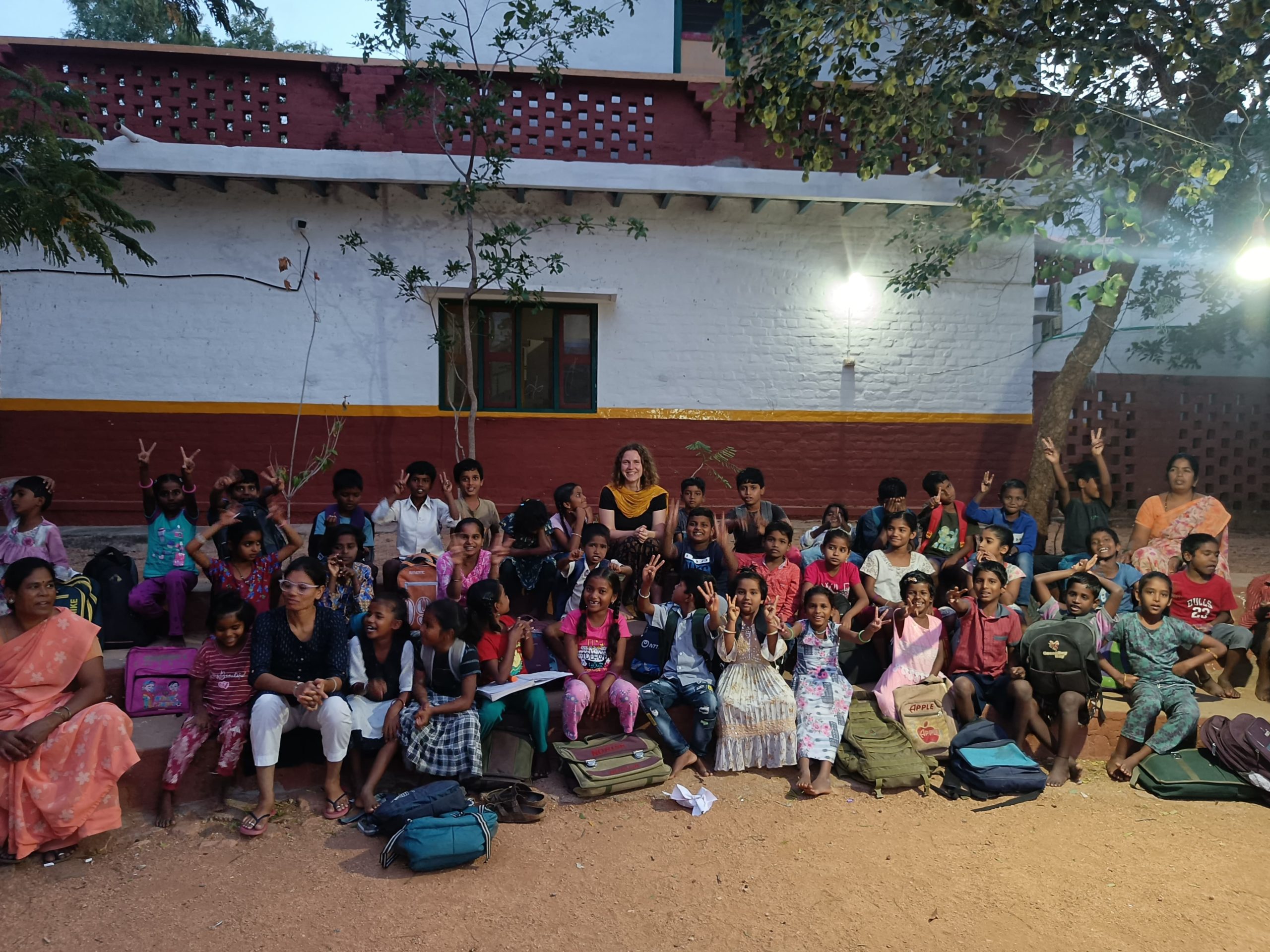
Here, hope isn’t an abstract idea; it’s lived and practiced every day. You can feel it in the generosity of the women who lovingly prepare food at the local school, in the guidance of staff members dedicated to the cause, and in the eyes of the children whose futures are being rewritten. Timbaktu reminds me that change isn’t just possible—it’s already happening.
About the Timbaktu Collective
Founded over three decades ago in Andhra Pradesh, India, the Collective carries a bold vision: to enable rural communities to live in dignity and peace while nurturing and celebrating life. To help marginalised rural people secure sustainable livelihood and secure their rights, the non-profit organisation implements a series of programmes in drought-prone Ananthapuramu and Sri Sathya Sai District of Andhra Pradesh, covering children education and engagement, women empowerment, community-led organic farming, and business development. Currently, it has an outreach to over 47,300 families in 347 villages.
During my visit, I was guided through the local value chain, witnessing firsthand how integrity and community weave into every step. I joined a peer review process of the Participatory Guarantee System (PGS) there. At the storage unit owned by the farmers themselves, I felt the collective spirit of shared responsibility. I then moved on to the processing unit, where local women, with remarkable skills, sorted and cleaned the produce, pressing it into fragrant groundnut oil and carefully packaging it. Their attention to details was humbling; their every gesture was radiating with a sense of pride.
Beyond production, I was introduced to initiatives that nourished knowledge and heritage. In the educational garden, a living classroom of crops, compost, and natural concoctions, I could see how future farmers were being raised with wisdom rooted in tradition. The recently established seed bank spoke of resilience and autonomy, the haven where farmers secured their future in tiny kernels of life. I watched women weaving in practised rhythm and learnt how natural dyes brought vibrant colours to fabric, turning simple threads into cultural stories.
Timbaktu is a warm, vibrant and open community where people gather for a shared purpose.
Life here flew seamlessly from field to school to farm. The local school, where children from disadvantaged backgrounds were given real opportunities, filled me with hope. At the Timbaktu farm, farmers were receiving training in organic and biodynamic practices, allowing them to nurture not just crops, but also the soil, the animals, and the ecosystems around them.
Timbaktu is more than a collective. It’s a movement, a proof that when people unite with courage, compassion, and commitment, they can not only heal the land, but also the hearts of those living on it.
I left Timbaktu with my heart full and my spirit ignited. The experience has strengthened my belief that we’re never powerless. We can create the change we wish to see—together.
The different production units in Timbaktu Collective.
What Timbaktu Does
Timbaktu runs three major initiatives on women empowerment, smallholder famer support, and nature restoration:
The Swasakthi Initiative (since 1992): the flagship programme of Timbaktu promoting four independent financial institutions owned and run by over 30,000 marginalised women.
The Dharani Initiative (since 2005): the organic farming initiative supporting over 2,700 smallholder farmers to convert to organic farming and regain control over the agricultural value chain.
The Kalpavalli Initiative (since 1992): the programme focusing on the restoration of village commons through reversing the damage caused.