

Name: Hualien District Agricultural Research and Extension Station, Ministry of Agriculture (HDARES)
Taiwan
Active since: 1910
Member of IFOAM – Organics International since: 2024
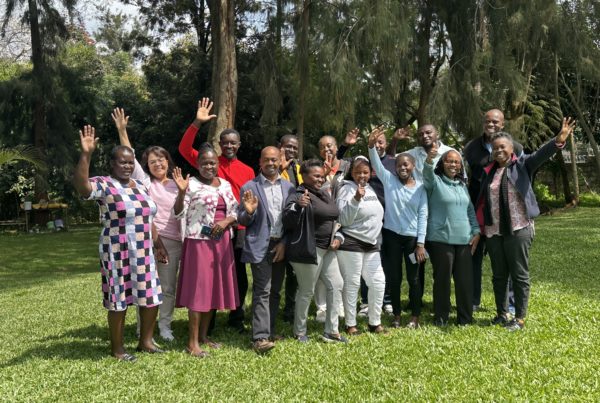
The video call started at 8 am in Germany, which was mid-afternoon in Taiwan. Before we hit record, seven members of the HDARES team slowly filled up the meeting room. Their director tuned in from his hotel room after a work event in a different city. There was a sense of connection that made the interview feel anything but “remote” despite the distance and time differences. It was the team’s willingness to join despite their hectic schedule. It was also the rapport built during our collaboration at the Organic World Congress 2024 and strengthened during their subsequent European trip in September 2025.
In our conversation, the team discussed the challenges facing organic agriculture in Taiwan, and how they are addressing them through scientific innovation, Indigenous knowledge, and locally grown risotto rice.
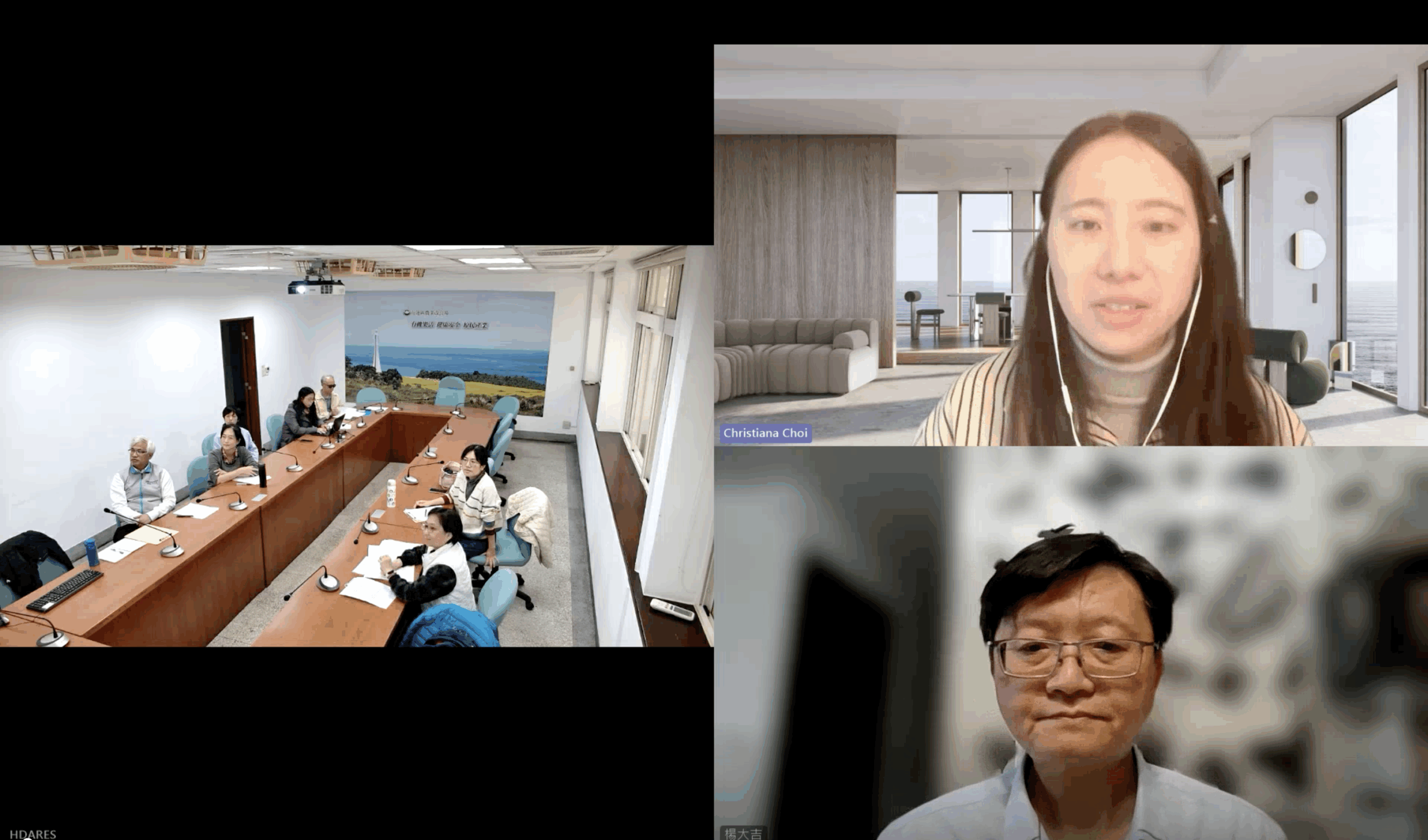
The mutual trust and rapport between HDARES and IFOAM – Organics International built a sense of connection that made the interview feel anything but “remote” despite the distance and time differences.
IFOAM – Organics International: HDARES is located in eastern Taiwan. What specific challenges do organic farmers in the region face?
HDARES: Taiwan is located in tropical and subtropical regions with hot and humid climate. This leads to frequent crop diseases and insect pests, making the development of organic agriculture challenging. In addition to the climatic conditions, organic farmers in eastern Taiwan, especially the Hualien region, are confronted with additional challenges due to the area’s remote geographical location and the frequent instances of typhoons. This pushes up the transportation costs and the overall prices of products from the region.
IFOAM – Organics International: Knowing the unique challenges facing organic in Taiwan, how does HDARES try to make use of research innovations to address them?
HDARES: To address the insect pest issues, we work on developing biological control agents to reduce reliance on chemical in farming. For example, we developed a plant-based fungicide HLST to contain citrus melanose. We also developed a plant-based material HL_PBS for inducing antiviral resistance to prevent viral diseases and promote heat resistance.
To enable labour-saving pest control, we developed parasitoid wasp capsules from recycled paper and a GPS-position sphere airdrop device. These new techniques release organic farmers from the time- and labour-intensive manual stapling using parasitoid wasp cards on leaves.
HDARES develops plant-based agents and labour-saving pest control to address the challenges facing organic farming in Taiwan. ©HDARES
IFOAM – Organics International: Besides the innovative products developed by your Centre, Hualien is known for being the home of Indigenous tribes. How does HDARES integrate Indigenous knowledge, traditional farming methods, or local biodiversity into its organic research and development efforts?
HDARES: In recent years, we’ve developed an integrated model that brings together traditional knowledge and modern sci-tech. This model is grounded on the recognition of Indigenous peoples’ longstanding farming cultures, experiences in using biological resources and landscape management practices, especially the intrinsic scientific values such practices entail.
This vision is translated into activities on two fronts. In terms of crop restoration, we draw on the knowledge of tribal elders to set up seed conservation plots in communities. These plots focus on crops such as mountain pepper, millets, fire onion, finger millet, and wild vegetables. We also conduct trait evaluation and seedling propagation techniques to enhance the production stability of indigenous varieties, alongside preserving their genetic diversity.
In terms of knowledge transfer, we conduct extensive field interviews and cultural surveys to translate the ancestral knowledge of Indigenous tribes, such as practices in gatherings, intercropping, ground-cover management, and pest and disease identification, into organic farming techniques.
IFOAM – Organics International: HDARES has done a lot of groundwork to enable and promote organic in eastern Taiwan. How would you position the Centre’s role in developing organic in Taiwan as a whole?
HDARES: Since 1980s, we’ve consolidated our pivotal role in driving the organic movement in Taiwan. Besides our continues contribution to developing organic farming techniques, a notable milestone is the establishment of the Luoshan Organic Village in 2002. Located in the Fuli Township of Hualien County, Luoshan Organic Village not only serve as a hub for organic conversion for conventional farmers but also becomes a hotspot for agri-tourism. Visitors can immerse in the natural rural scenery, enjoy the farm-to-table experience, and engage in tofu production using local ingredients (such as spring water from a mud volcano). The success of the Luoshan Village laid a solid foundation for the subsequent efforts to expand the village into an organic corridor.
Throughout this period of time, Hualien County has established itself as the hub of organic rice and soybeans, as well as fruits and vegetables.
IFOAM – Organics International: Does this specialisation in several crops – rice and soybeans in this case – create unique opportunities as well as challenges for the Centre and the region over time?
HDARES: A key challenge in recent years is the changing culinary preferences of the younger generations. There is a growing tendency to choose western cuisines such as pasta, pizza or burgers over traditional Taiwanese dishes. This has resulted in a rapid fall in the demand for organic rice. In other words, we have to find creative ways to handle the rice surplus and address the evolving dietary preferences.
Apart from developing and refining processing techniques of local long-grain rice, we also bred the first locally grown risotto rice, Hualien no.26, after a seven-year-long process of development. Chefs from local Italian restaurants told us that Hualien No.26 did not pale beside the imported arborio and carnaroli rice. We’re working with local suppliers and farmer associations to expand the reach of Hualien No.26 and transfer the breeding techniques.
The locally grown risotto rice Hualien No. 26 is can be used to prepare a variety of dishes, from corn risotto to pudding. ©HDARES
IFOAM – Organics International: With the inauguration of the Organic Agriculture Research Centre in 2023, where does HDARES see its future priorities and plans?
HDARES: The inauguration of the Centre happened almost at the same time as our entry into IFOAM network and the Organic World Congress 2024 in Taiwan. This is the testament to our efforts in building closer ties with the global organic movement.
Looking forward, we’d love to establish ourselves as a hub for international collaboration in organic agriculture research, especially on sustainable circular management models, pest, disease and herb management, value-added processing technologies, and intelligent organic cultivation systems.