This article was originally written by Christiana Choi, Membership Communications Coordinator at IFOAM – Organics International. It was first published in the BIOFACH 2026 Bio Eco Actual Special Edition (p.22-23).
There is a spiralling global demand for organic products. Data from the Research Institute of Organic Agriculture showed that global organic markets totalled 136.4 billion euros in 2023, a sharp surge from 15.1 billion euros in 2000.
However, in the three major organic markets in the world – the United States (59 billion euros), Germany (16.1 billion euros), and China (12.6 billion euros) – rising demand does not always translate into rising trust in organic products or a positive perception of organic practices.
The gap between market expansion and consumer confidence highlights a critical challenge for the organic sector: the need for clearer, more consistent, and more compelling communication to help consumers understand what “organic” truly stands for.
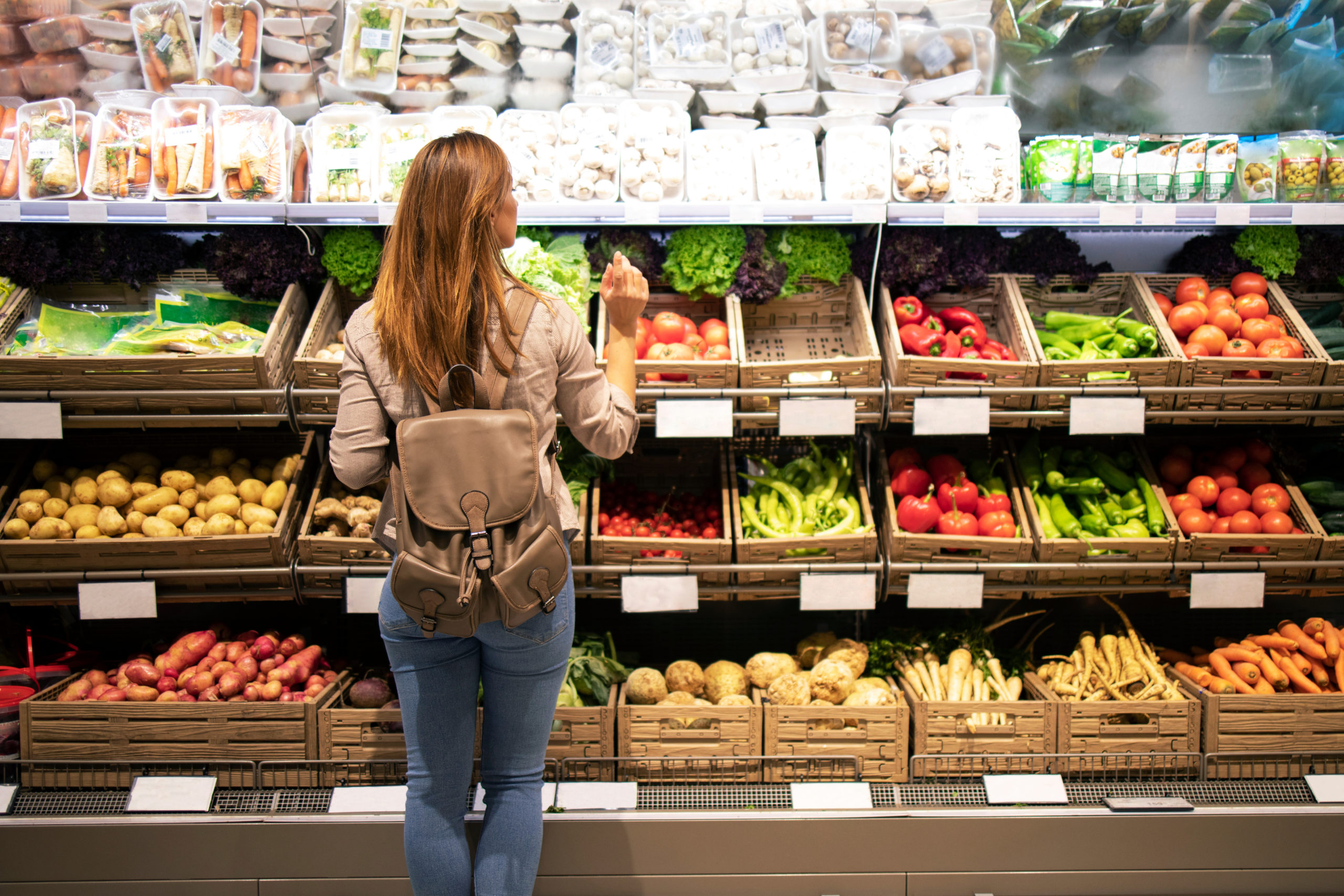
Rising demand does not always translate into rising trust in organic products or a positive perception of organic practices.
What do consumers think of organic?
How is organic perceived in the three biggest markets? A Thünen Institute policy brief (2025) identified a loss of trust in organic products among German consumers. Across the Atlantic, data from the Organic Trade Association suggested that the USDA Organic seal is the most trusted agriculture label in the country. In China, a study published in Sustainability (2023) found that the growing interest in organic food was undermined by a confidence crisis. Those mixed perceptions underscore the importance of examining the underlying factors that reinforce or undermine trust in organic – a closer look that is essential for understanding where communication must improve.
Studies suggested that most respondents chose organic for health reasons. German consumers prefer organic products for the absence of antibiotics in animal husbandry and of synthetic pesticides in crop cultivation. Likewise, U.S. shoppers see value in certified organic food as being free from toxins, synthetic pesticides, hormones or genetically modified organisms. To Chinese consumers, organically certified products, which follow internationally approved standards, are safer and more trustworthy.
German consumers also treasured the higher transparency in the origin of food and farming practices, especially at farm shops or weekly markets where they have personal interaction with growers.